
Otoplasty
In Sydney
Featured In





Otoplasty (Ear Pinning) Surgery
At Rizk Plastic Surgery in Sydney otoplasty surgery is usually done to move prominent or protruding ears closer to the head or to reduce the size of large ears.
Otoplasty, also known as ear pinning, is performed as a day surgery procedure under a general anaesthetic and involves 'pinning' a person's ears back.
If you feel that your ears protrude too far or have been misshapen from the onset or from injury, otoplasty assists individuals in improving the shape or position of their ears. The shape, size and prominence of our ears is usually hereditary and can greatly vary in amongst individuals.
Otoplasty can be performed once the ears have developed to close to their adult size. Dr Rizk can advise whether and when surgery is appropriate.
Otoplasty can readjust protruding ears, reduce the size of ears or reshape the ears, with the aim of a natural-looking ear shape and position. Results vary between individuals. Sydney plastic surgeon Dr Joseph Rizk also performs ear reconstruction for people who were born without them or who have lost them through injury.
Otoplasty Before & Afters
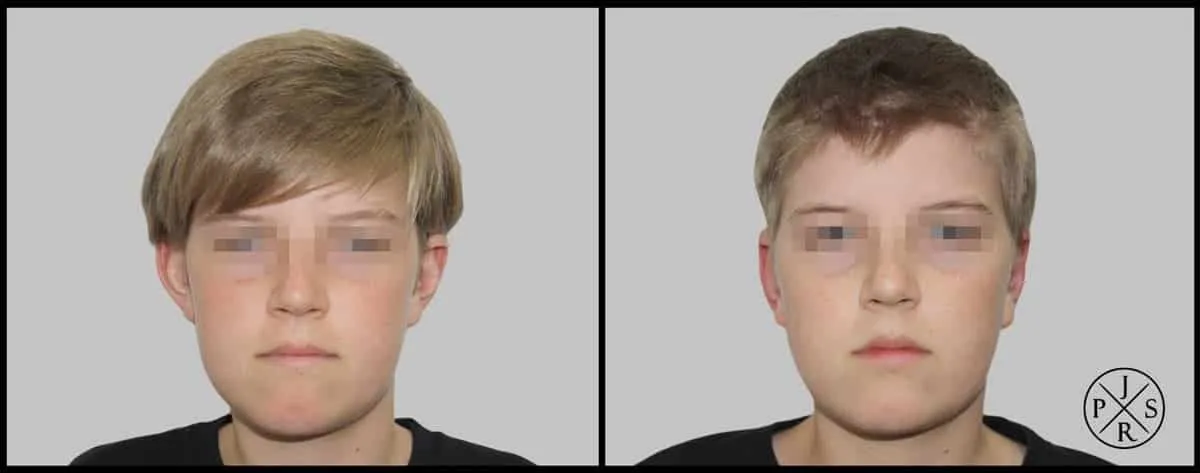
Results shown are only relevant to this patient and do not necessarily reflect the results other patients may experience. Results may vary due to many factors, including the individual's genetics, diet and exercise.
Other ear problems that can be helped with surgery include:
- •'lop ear' – when the tip seems to fold down and forward
- •'cupped ear' – which is a very small ear
- •'shell ear' – when the curve in the outer rim, as well as the natural folds and creases, are missing.
The goal of otoplasty is to create a natural looking shape that compliments your face. In a personalised, one-on-one consultation, Dr Rizk can discuss whether otoplasty is suitable for you, along with its risks and recovery.
What to Expect with Dr. Rizk
Your otoplasty journey begins with an in-depth consultation with Dr. Rizk. Dr. Rizk aims to provide comprehensive, personalised care to each patient. He'll thoroughly examine the current condition of the ears, cover your complete medical history, and then discuss the options with you. You'll work together to design a treatment plan that fits your budget, lifestyle, and who you are as a person.
Dr. Rizk will also walk you through the ways you can prepare for your procedure and recovery. Medical tests may need to be run to ensure your health, and you may be asked to adjust medications or supplements you are taking. Typically, you'll want to avoid smoking and using blood-thinning drugs in the week or two before your surgery.
All of our otoplasty surgeries are performed as outpatient procedures, so you'll be able to go home to begin your recovery. However, the anaesthetic used is strong and will take hours to wear off fully, so you'll want to arrange for a friend or loved one to be available to take you home safely.
Finally, Dr. Rizk and his team will be with you every step of the way — from preparing you in the weeks leading up to your surgery to monitoring your progress during the procedure to ensuring you have the support you need during your recovery. Our highest priorities are your safety and your comfort.
Recovery after otoplasty
After surgery, a dressing or headband is worn over the ears to protect them while they heal. Time off work or school varies between patients. Contact sports should be avoided while the ears heal. Dr Rizk will advise on your dressings, headband use and return to activities.
Double Bay, Sydney
Book a consultation with Dr Rizk
Every patient receives a personalised treatment plan tailored to their goals. Consultations are available in person at Double Bay or virtually. Cosmetic surgery requires a GP referral, at least two consultations with Dr Rizk (at least one in person) and a cooling-off period of at least seven days before surgery is booked.
Risks and possible complications
All surgery carries risks. Dr Rizk will discuss the risks that apply to you at your consultation.
Possible risks of otoplasty include:
- •Bleeding and haematoma (a collection of blood under the skin)
- •Infection, including infection of the ear cartilage
- •Wound-healing problems
- •Visible, thickened or keloid scarring
- •Asymmetry between the ears
- •The ears returning towards their previous position
- •Over-correction, or an unnatural contour of the ear
- •Stitches becoming visible or working through the skin
- •Numbness or other changes in sensation of the ears
- •Risks of anaesthesia
- •Need for revision surgery
Results vary between individuals and further surgery may sometimes be needed.
FAQs
Bear in mind that otoplasty is a major surgical procedure that can carry substantial discomfort as part of recovery. An anaesthetic is used so you will not feel pain during the procedure. Most patients experience some significant discomfort during recovery, but this can typically be managed with medication recommended by Dr. Rizk in your aftercare instructions.
This procedure carries the risks inherent to any surgical treatment, as well as risks specific to ear surgery. These can include a reaction to the anaesthesia, infection, pain, scarring, asymmetry and the ears returning towards their previous position. See the risks section above for more detail. Dr. Rizk will discuss these risks with you before your operation, lay out a custom plan for your procedure and recovery, and take every precaution possible to minimise risk.
Recovery after otoplasty varies between patients. It usually takes two to three weeks before you can completely return to life as usual. However, the duration can vary depending on your body's response, the scope of the surgery, and how well you follow your aftercare advice.
As your ears heal, it is critical that they be protected from unnecessary pressure or stress. This often requires that you refrain from sleeping on them and keep your head in an elevated position to allow for proper drainage. Dr. Rizk will provide you with recommendations for sleeping positions that will allow you to protect your ears while remaining as comfortable as possible.
Yes, there are nonsurgical forms of otoplasty available. They are designed to control and redirect the growth of the ear and are typically reserved for use on infants and children. Forms of nonsurgical otoplasty include "taping" (using tape, shaping compounds, or moulds) and the use of customized splints.
Otoplasty results are generally long-lasting, but in some cases the ears can partly return towards their previous position and further surgery may be needed. Because adult ear cartilage is stronger and more rigid than in children, the ears of adults are more likely to resist any forces that might cause them to return to their prior position.
Otoplasty consultations with Dr Joseph Rizk
Dr Joseph Rizk is a specialist plastic surgeon and award winner of Plastic Surgeon of the Year AUSTRALASIA (MyFaceMyBody Awards 2020). His approach is to make sure each patient is heard and respected, and to provide the accurate medical information you need to make informed decisions about your course of treatment.
Request a consultation
Dr Joseph Rizk (MED0001186612) aims to make sure that each patient is heard, respected, and treated well. His approach is to give you the accurate medical information you need to make informed decisions about your course of treatment, including its risks and recovery.
Double Bay
Suite 301, Level 3
451 New South Head Road
Double Bay NSW 2028
Choose your own consultation time online.
Book a Consultation OnlineCosmetic surgery requires a GP referral, at least two consultations with Dr Rizk (at least one in person) and a cooling-off period of at least seven days before surgery is booked.
Want someone to contact you?
Leave your details below and we'll be in touch within 24–48 hours.